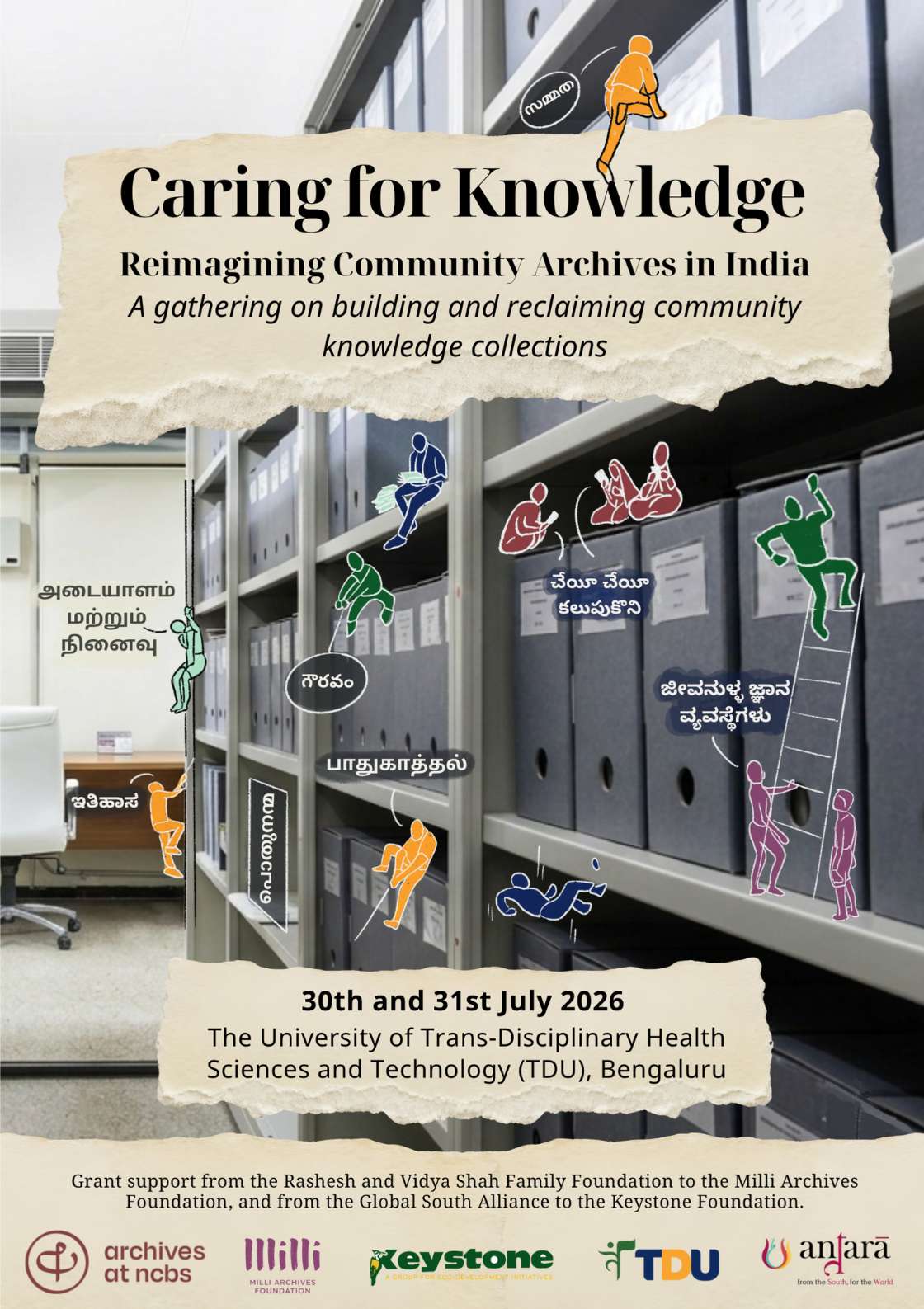
A gathering on building and reclaiming community knowledge collections
ಈ ಪುಟವನ್ನು ಕನ್ನಡದಲ್ಲಿ ನೋಡಲು ಇಲ್ಲಿ ಕ್ಲಿಕ್ ಮಾಡಿ.
ഈ പേജ് മലയാളത്തിൽ കാണാൻ ഇവിടെ ക്ലിക്ക് ചെയ്യുക.
இந்தப் பக்கத்தைத் தமிழில் காண இங்கே சொடுக்கவும்.
ఈ పేజీని తెలుగులో చూడటానికి ఇక్కడ క్లిక్ చేయండి.
Concept Note
Indigenous People and Local Communities (IPLCs) is used to refer to people who self-identify as indigenous and belong to a specific local community. Specifically people who have long standing social and cultural relationships with their lands, forests, waters, and ecosystems. Though the use and application of the term “indigenous” by the Government of India is still contested, the term has been increasingly equated to the socially accepted term ‘Adivasi’. In the case of India, the administrative umbrella of “scheduled tribe” has been used in understanding the state policy towards Adivasis. According to the 2011 Census, over 104 million people, about 8.6% of the population, belong to Scheduled Tribes. However, the status, recognition, and representation of Nomadic and Denotified Tribes (DNTs), along with other unrecognised groups that fall within the broader understanding of IPLCs, remain largely uncharted territory in India, both in policy and in practice.
Across India, Indigenous/Adivasi peoples and local communities hold an exceptionally diverse range of knowledge systems, developed and transmitted across generations through their relationships with land, biodiversity, livelihoods, culture and community life. These communities hold rich histories, languages, ecological knowledge, songs, stories, and ways of relating to land and life and their living knowledge systems are closely tied to identity and memory.
Today, there is growing interest in this knowledge from governments, researchers, institutions and individuals. Yet, communities have often been treated as subjects of research or recipients of welfare and upliftment, rather than as custodians of knowledge and as decision makers. In some cases community knowledge has been recorded and circulated without full awareness, consent, or participation. In many cases, communities are not even aware that records, photographs, or data about them exist in archives and collections. While such material can sometimes support current efforts to strengthen community histories, cultural practices, environmental knowledge, and claims to rights and recognition; It can also misrepresent communities, remove knowledge from its original context, or provide access to culturally sensitive knowledge without community’s prior consent. In recent years, community groups, collectives, and practitioners across India have started asking important questions:
- Who holds our histories and knowledge?
- Who decides how they are used or shared?
- How can we preserve them for future generations, on our own terms?
Through these conversations, archives and knowledge collections are being reimagined as spaces of self-representation and self-determination. Moving beyond preservation, communities are talking about ensuring a meaningful role in deciding how their knowledge is documented, cared for, and shared. It is about protecting what is sensitive, strengthening intergenerational learning, and supporting communities to build and manage their own archives. This becomes especially important in a time when digital technologies and AI are rapidly expanding the use of data. Community knowledge is increasingly accessed and reused in ways that are not always visible or accountable. Reclaiming archives is also about shaping how knowledge moves into the future, with dignity, consent, and collective control.
Ahammad, R., Sangha, K., Evans, J., & Metcalfe, O. (2026). Revisiting the Definition and Recognition of Indigenous Peoples and Local Communities for Biodiversity Conservation. Ecology and evolution, 16(2), e72958. https://doi.org/10.1002/ece3.72958
Bijoy, C. R., & Nongbri, T. (2013). Country technical note on Indigenous Peoples’ issues: Republic of India. International Fund for Agricultural Development (IFAD).
Dhir, R. K. (2015). Indigenous peoples in the world of work in Asia and the Pacific: A status report. International Labour Organization.
Linggi, T. (Ed./Auth.). (2024). The Idu Mishmi Code of Research Ethics (IMCRE) (2nd ed., 2025). Idu Mishmi Cultural and Literary Society (IMCLS).
Salar, N., & Murthy, S. (2023). The exploited yet legally underappreciated apparel domain of indigenous communities: Tracing WIPO’s efforts and ongoing challenges. The Journal of World Intellectual Property, 26, 312–327. https://doi.org/10.1111/jwip.12266
Shankar, P. (2026, July 6). Indigenous communities missing in India’s report on Access and benefit sharing [commentary]. Mongabay India. https://india.mongabay.com/2026/07/indigenous-communities-missing-in-indias-report-on-access-and-benefit-sharing-commentary/
Schedule
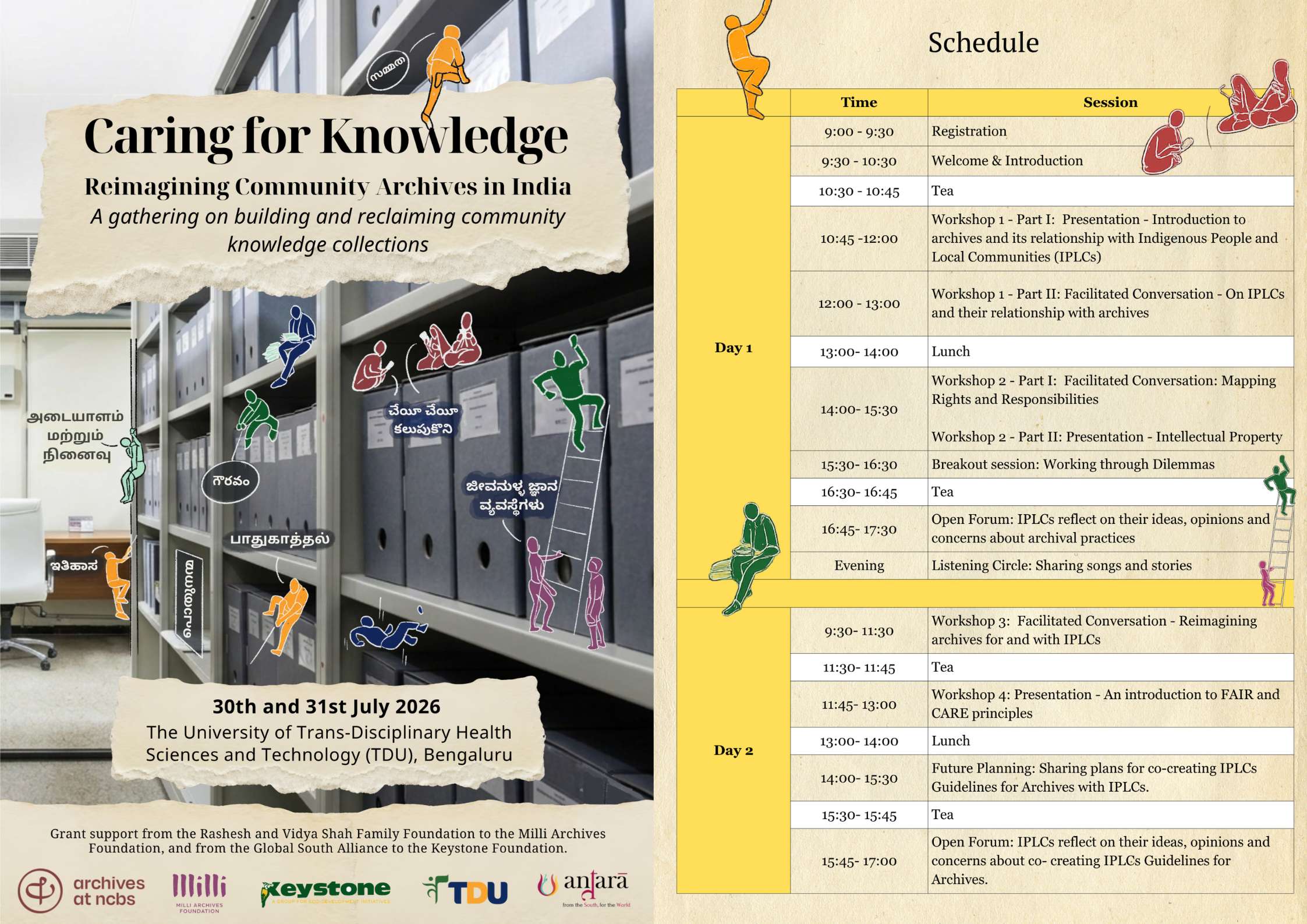
Date: 30th and 31st July 2026
Time: 9:30 am to 6 pm
Venue: Patanjali Seminar Hall, The University of Trans-Disciplinary Health Sciences and Technology (TDU), Bangalore
Format: In person, small group conversations, story-sharing, collaborative exercises, and open dialogue
Language: Multilingual (English, Kannada, Malayalam, Telugu and Tamil)
Organisers: Antara Advisory, Archives at NCBS, Keystone Foundation, Milli Archives Foundation and The University of Trans-Disciplinary Health Sciences and Technology (TDU)
Grant support: Rashesh and Vidya Shah Family Foundation to the Milli Archives Foundation, and from the Global South Alliance to the Keystone Foundation.
Participants: Indigenous people and Local Communities (IPLCs), community collectives, archivists, cultural practitioners, researchers, and organisations from Andhra Pradesh, Karnataka, Kerala, Tamil Nadu and Telangana.
Workshop Summary
The workshop was an invitation to come together and reflect on these questions collectively. It brought together Indigenous people and local communities (IPLCs), knowledge practitioners, archivists, researchers, and organisations working with knowledge, memory, and cultural heritage.
In this workshop 57 Participants representing 24 communities from 5 south Indian states participated.
The gathering was designed as a participatory and multilingual space, where different experiences and perspectives can be shared openly. Rather than seeking one single approach, the workshop was focused on listening, dialogue, and learning across communities and institutions.
Together, we explored:
-
What might a community archive look like from within the community?
-
How can archives support community needs, identities, and futures?
-
What kinds of knowledge can be shared, and what should remain protected?
-
How do we ensure consent, respect, and collective decision-making?
-
What roles can communities, institutions, and practitioners play in working together?
IPLCs groups-24
Alu Kurumba, Backward Classes, Badaga, Chenchu, Cholanaickan, Coastal Communities, Dalit, Hakki Pikki, Irula, Iruliga, Kadar, Kattunaickan, Kurabar, Kurchiya, Lambani, Malamalasar, Malamuthan, Malasar, Malayan, Muthuvan, Paniya, Saura, Soliga and Toda
Participants-57
A. Chiranjeevi, Ajith Kuttan, Akhila George, Aravind Ashthars, Arun, Aswathy G V, Banala Kranthi Kumar, Bhuvan, Biddika Suhasini, Daniel Samraj, Dharvaih, Durga, Durga Moorthy, G. Anjinamma, Geetha V K, Jadeswamy M, Jeyanthi R, JR Mani, Karalan, Kavya K, Kumuda Sushil, Lakshmi M, Madan, Mallikarjuna, Mandli Amulya, Mandli shivayya, Manjula, Manu Chowdhuri. C, Murukkan, N. Narasamma, Narayanaswamy, Neelkant Nagappa Kurubar, P. Chandran, Pallavi, Prabhu, Rajeshwari, Rajiu, Ramesh Krishnan, Rebba Prakash, S Palayam, Saravanan, Savara Thota Minna Rao, Seebu, Shalini A, Shrikanth, Sumithra K, Suresh P, Sushilappa, Syamjith PK, T.B Dinesh, Tiju C Thomas, V. Venkatesh, Vasamalli K, Vinod Chellan, Vishnu, Yadukrishna K R and Yugesh
Organisers-7
Anjali J R, Aparna U, Faisal R, Ranjani P, Samira A, Venkat S and Vinay K
We would also like to thank the staff and faculty at TDU for their support.
Volunteers-12
Abishai J, Dhatri S, Dhanya S R, Deepika S, Janaky S, Noorunnisa, Ojas K, Parvathy V, Sanjana G Y, Shruthi N J, Suganya S, Vidya and Ravi K B.
Why this gathering matters?
This workshop was part of a longer journey. It was the beginning of a process to build stronger relationships between communities and archives, share experiences across regions, and develop practical, community-informed approaches to working with knowledge. The learnings from this gathering will contribute to a multilingual guide on community archiving practices in India, shaped by the voices and experiences of those who participate.
If you are interested in collaborating with this initiative, please write to us at coarchives26@gmail.com.
If you would like to request a correction or removal of any content published here, please write to us at coarchives26@gmail.com
Photographs
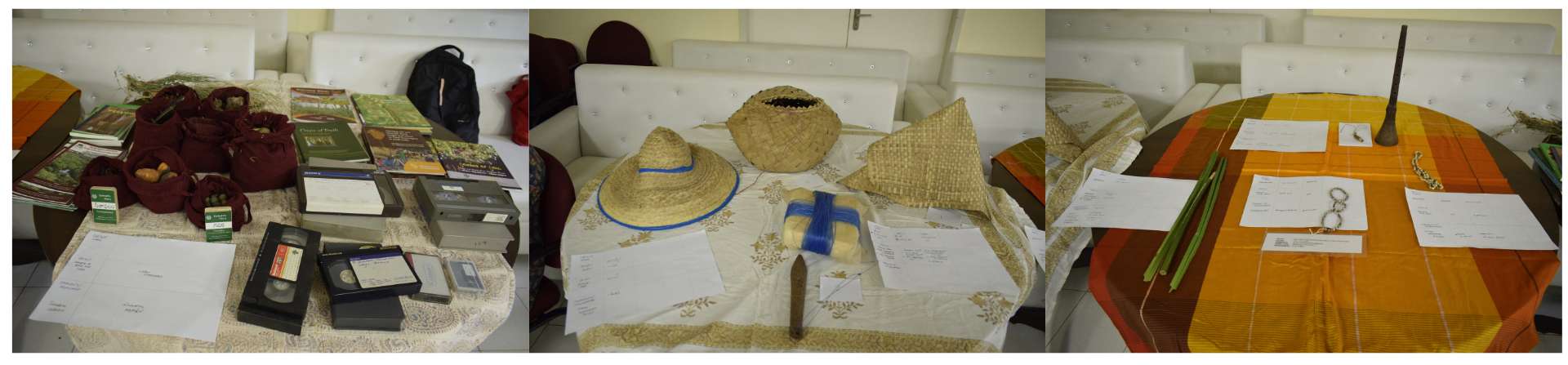
Symbol of Memory, an item that individuals or community believe symbolizes memory keeping and sharing for them or their community.
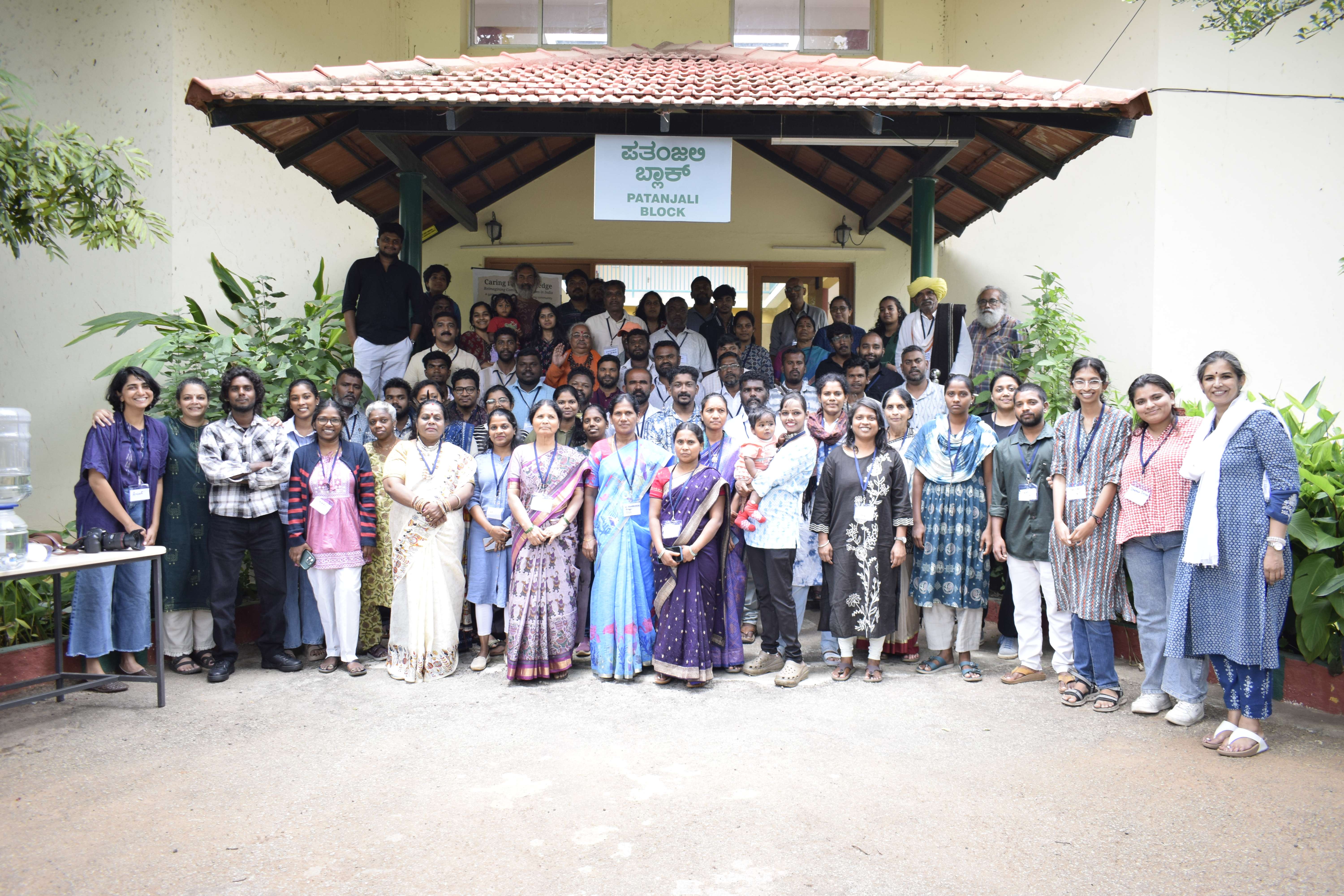
Group Photo In front of Patanjali Block where 2 days of workshop was organised
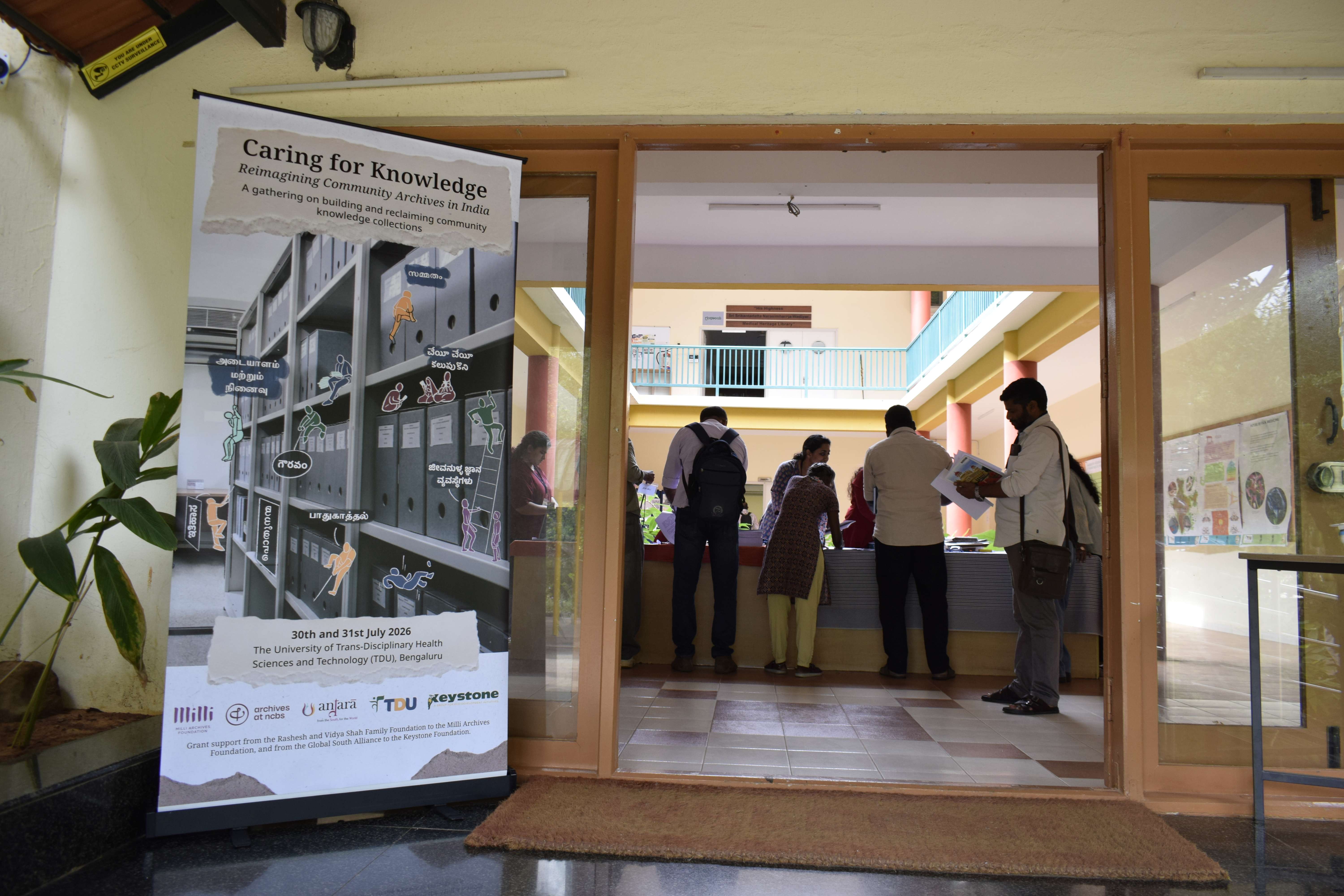
Registration desk at the entrance of the Patanjali Block where the two days of the workshop was organised
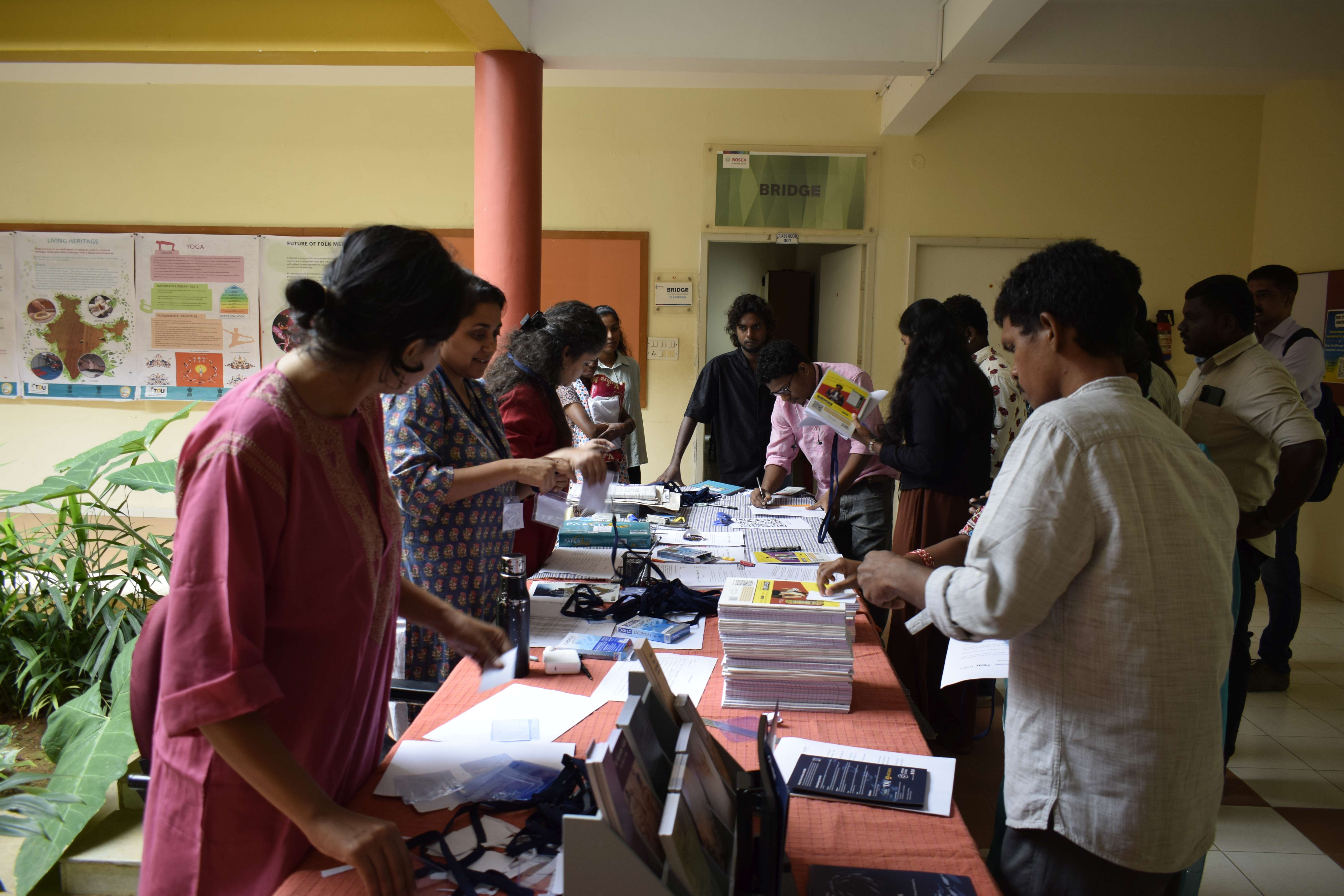
Anjali and Deepika and Dhanya welcoming participants at the registration Desk
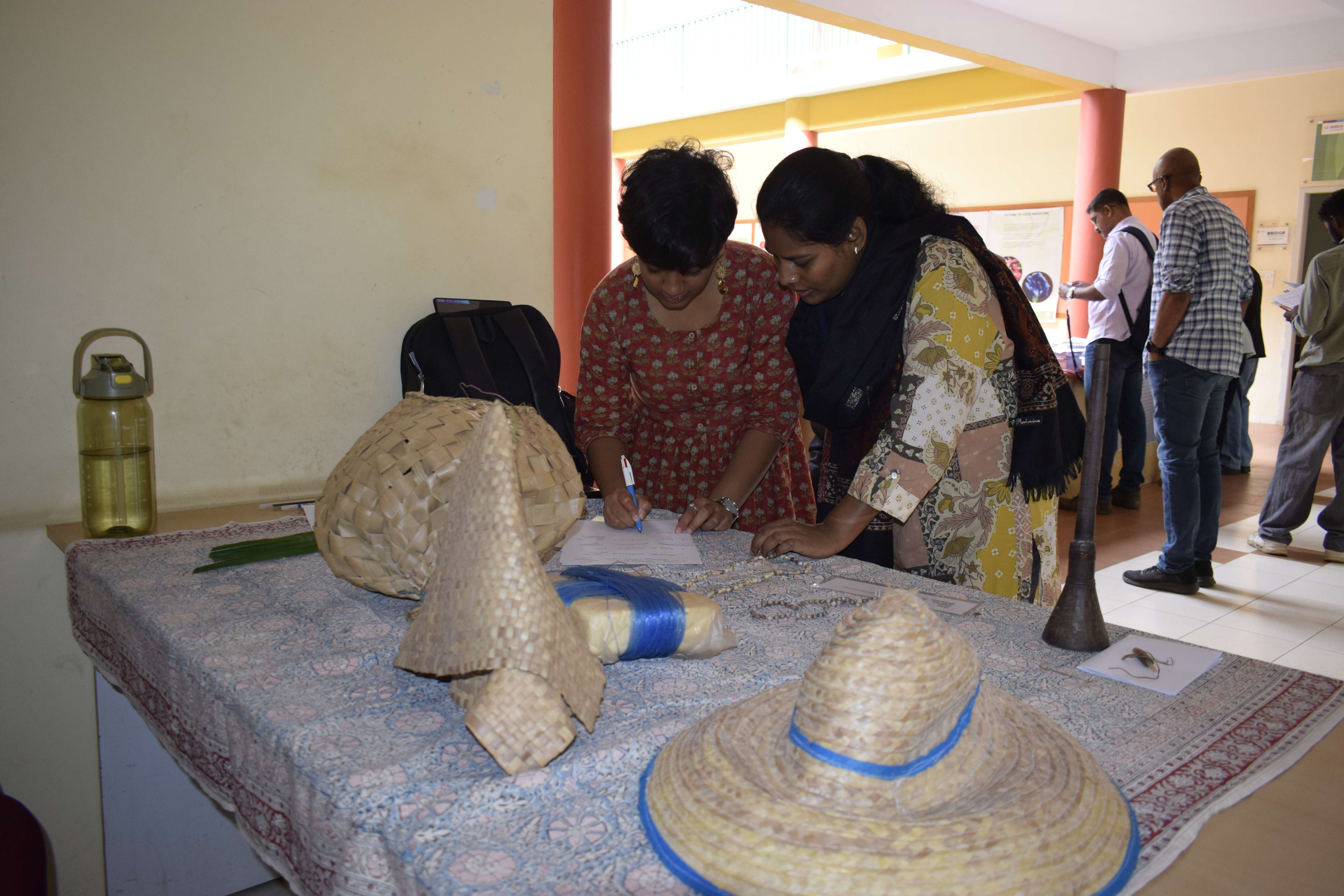
Sanjana collecting ‘Symbol of Memory’ objects post registration
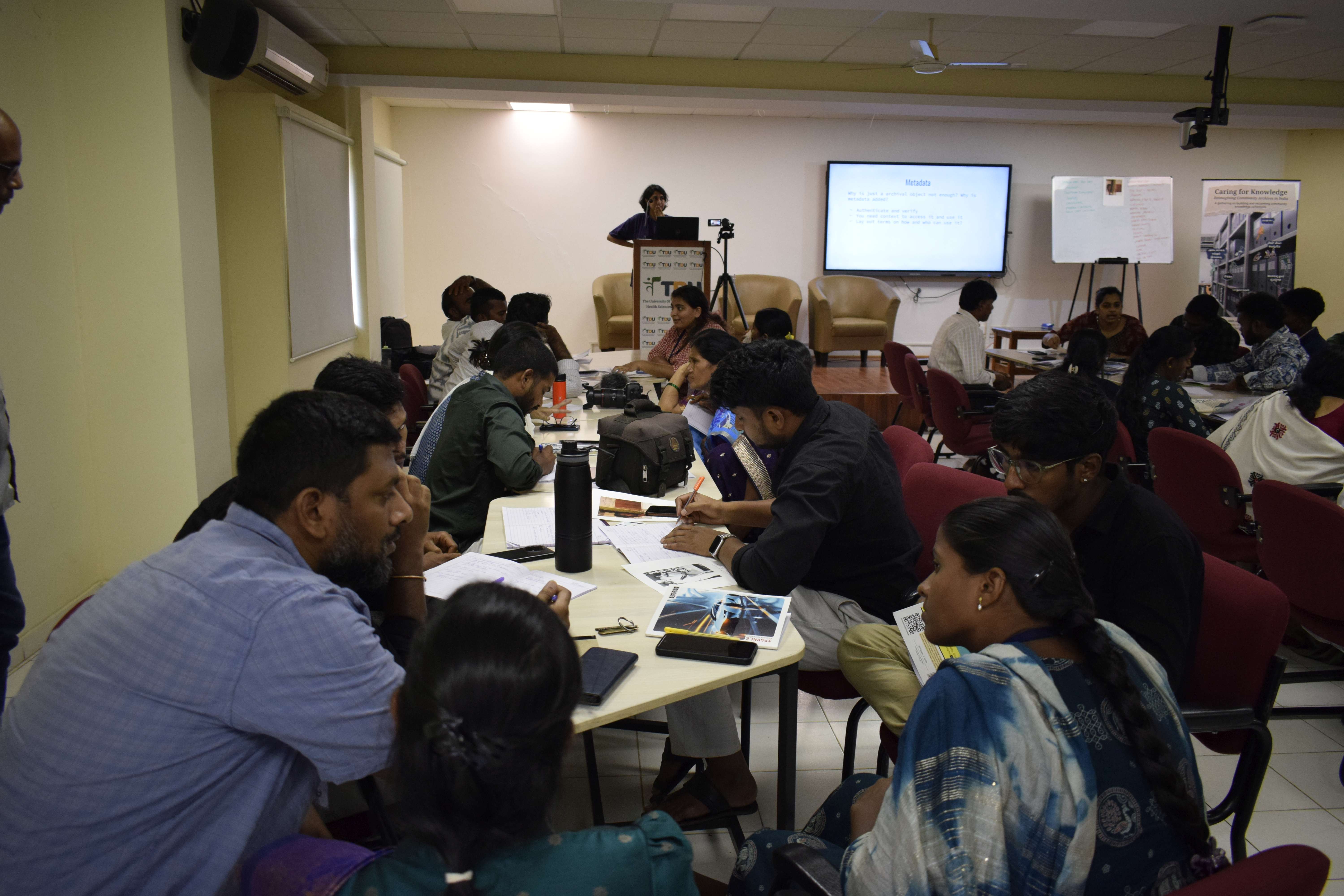
Abishai translating in a Telugu language group
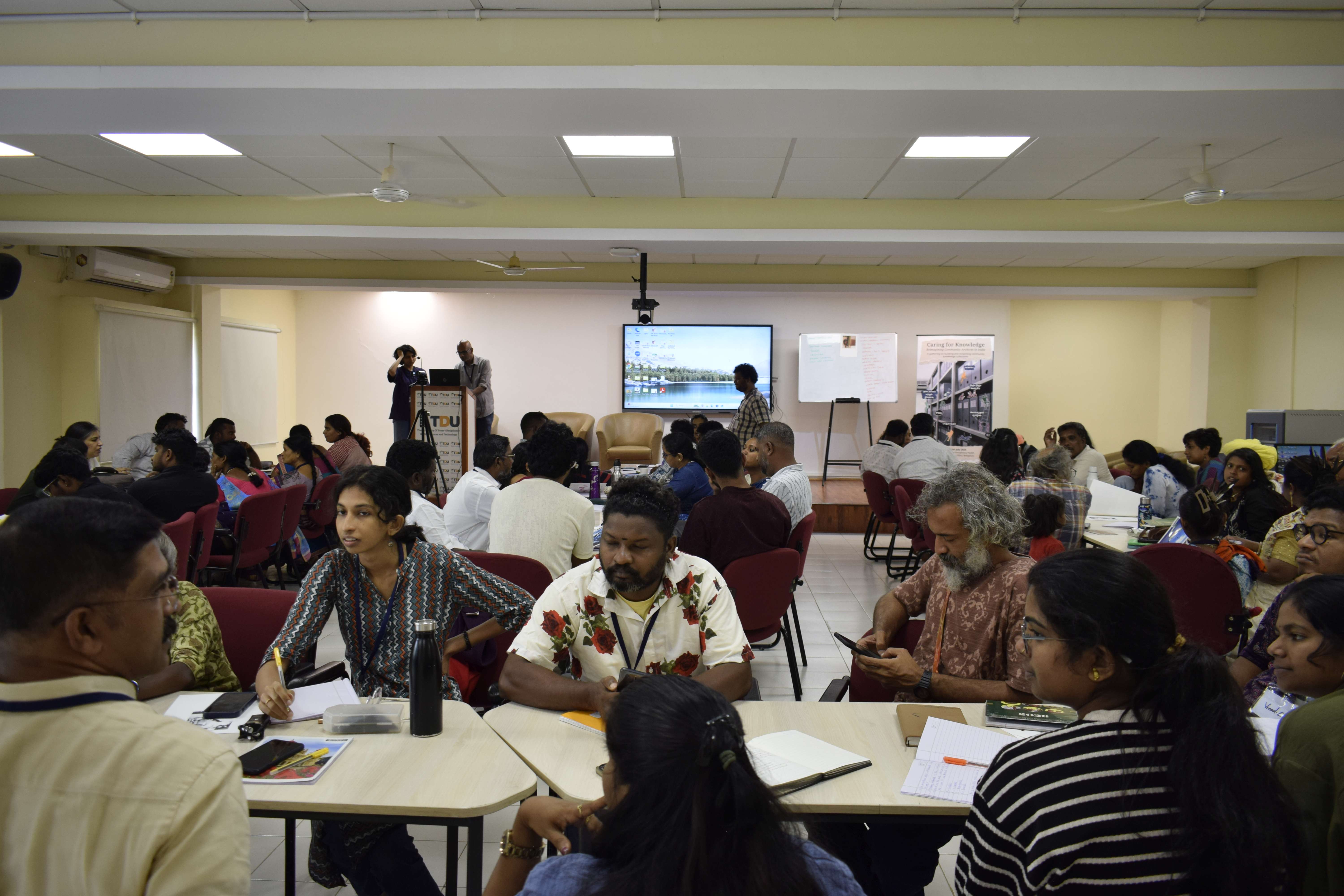
Parvathy taking notes in Malayalam language group
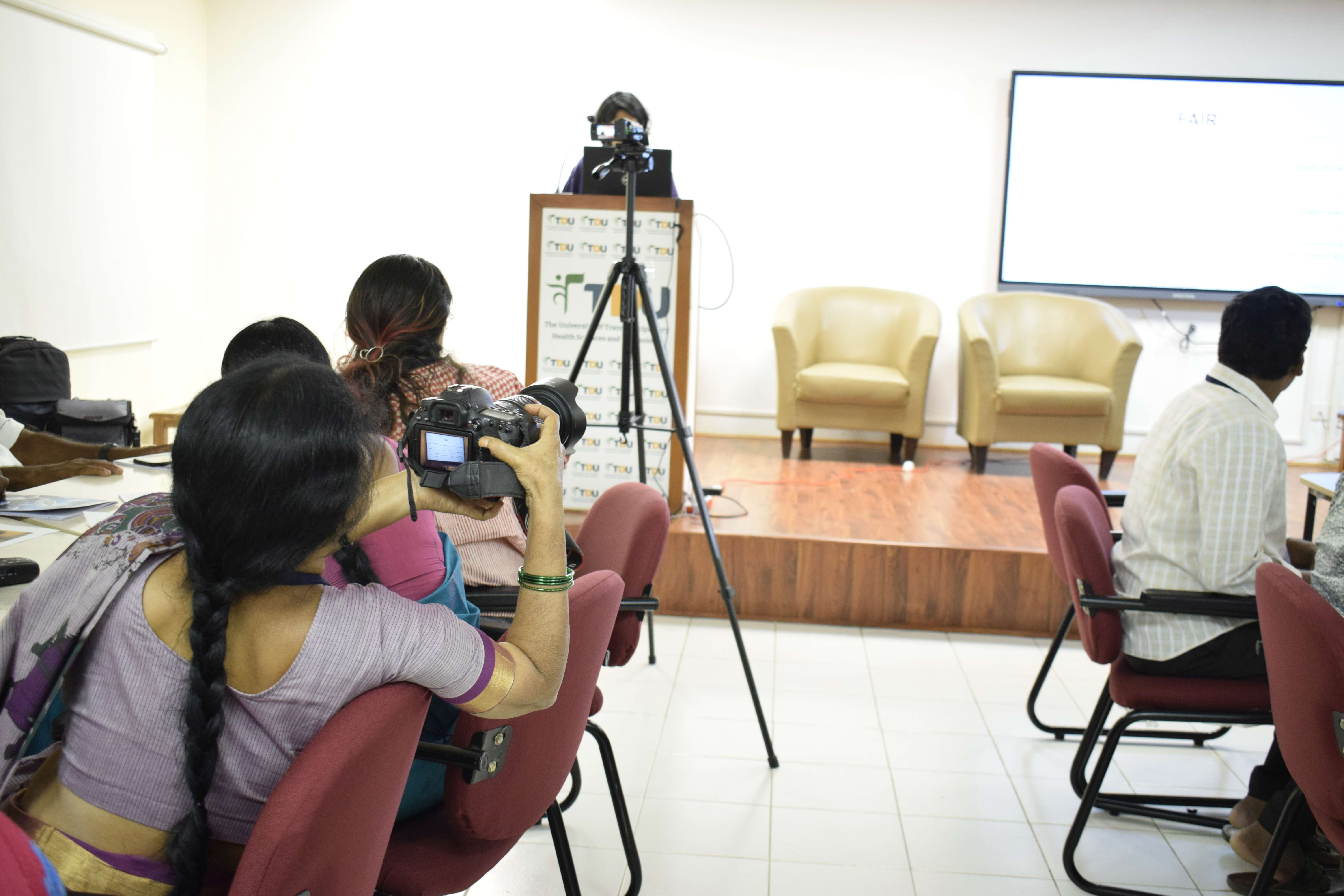
A participant in Telugu language group capturing Anjali’s presentation
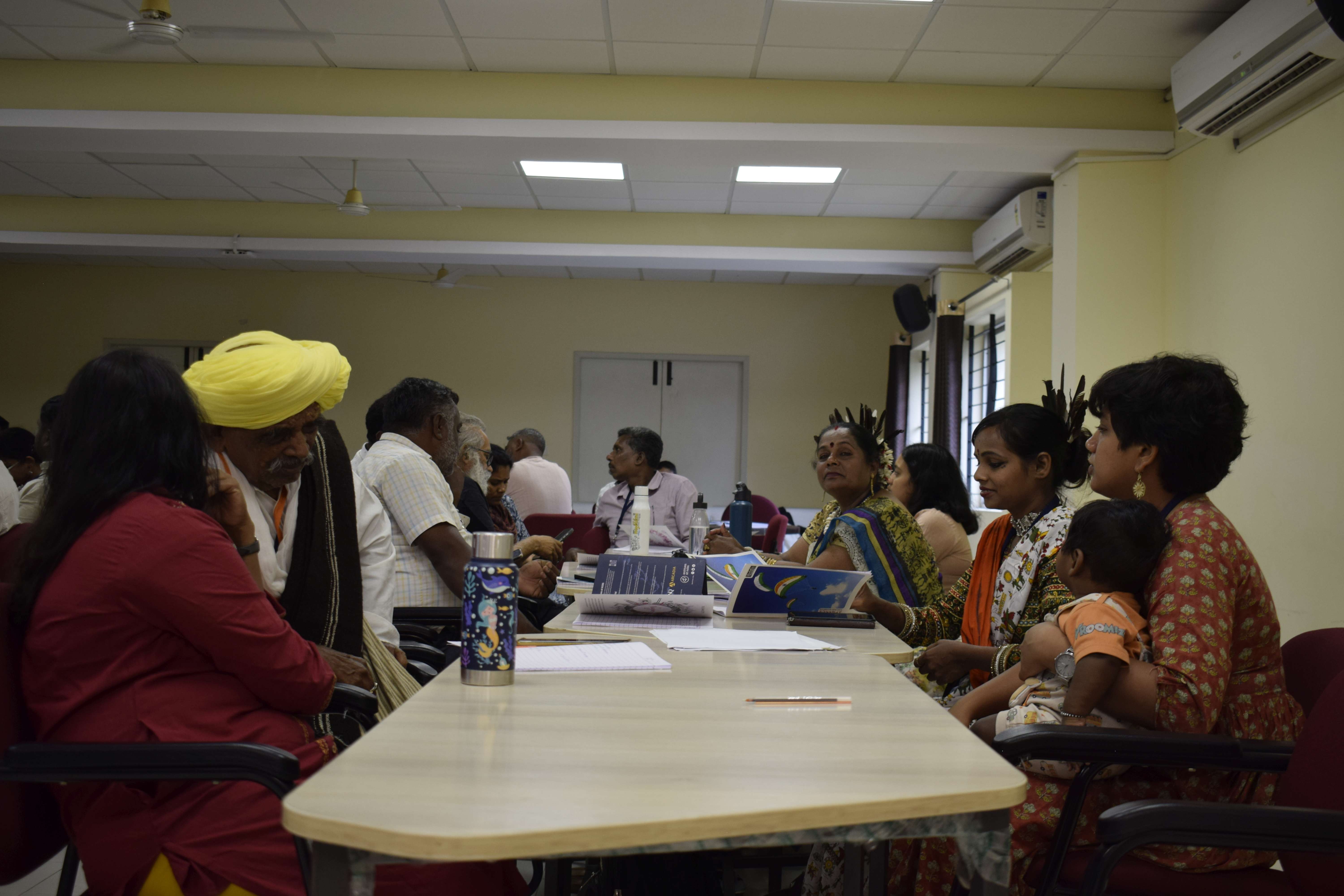
Sanjana babysitting the youngest participant in the workshop
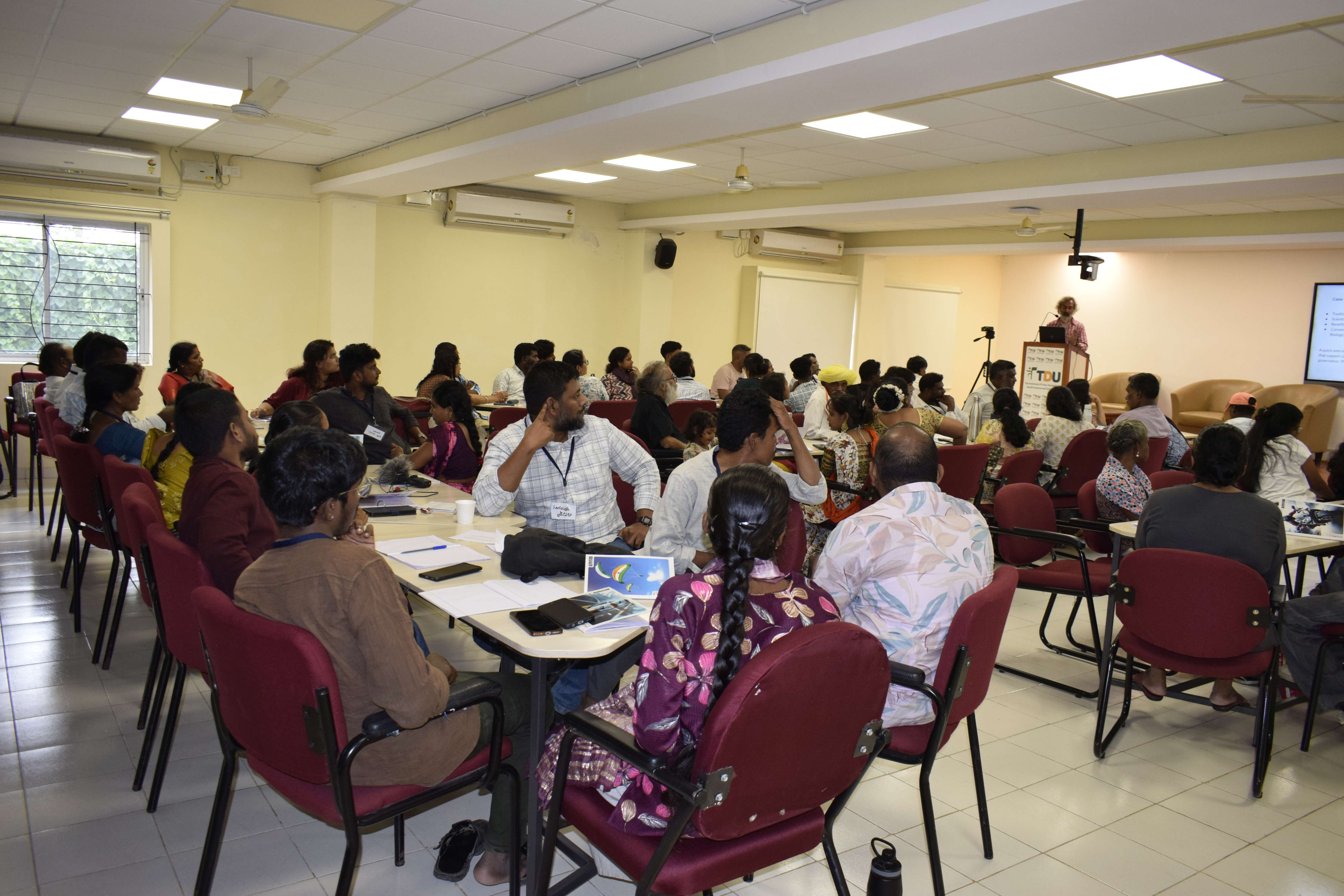
Faisal from Keystone Foundation facilitating a conversation on Mapping Rights and Responsibilities
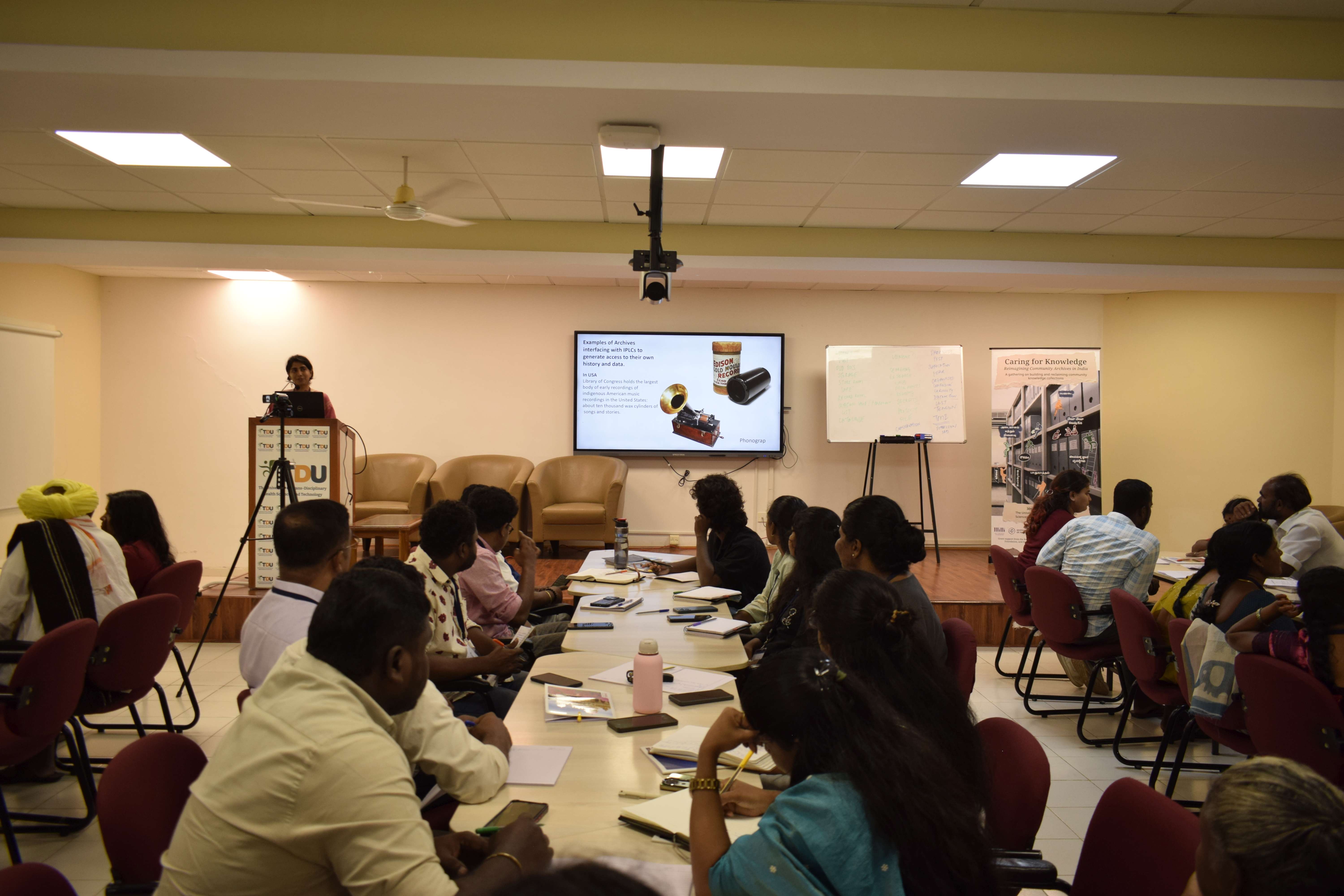
Anjali sharing a presentation on Introduction to Archives and its relationship with Indigenous People and Local Communities (IPLCs)
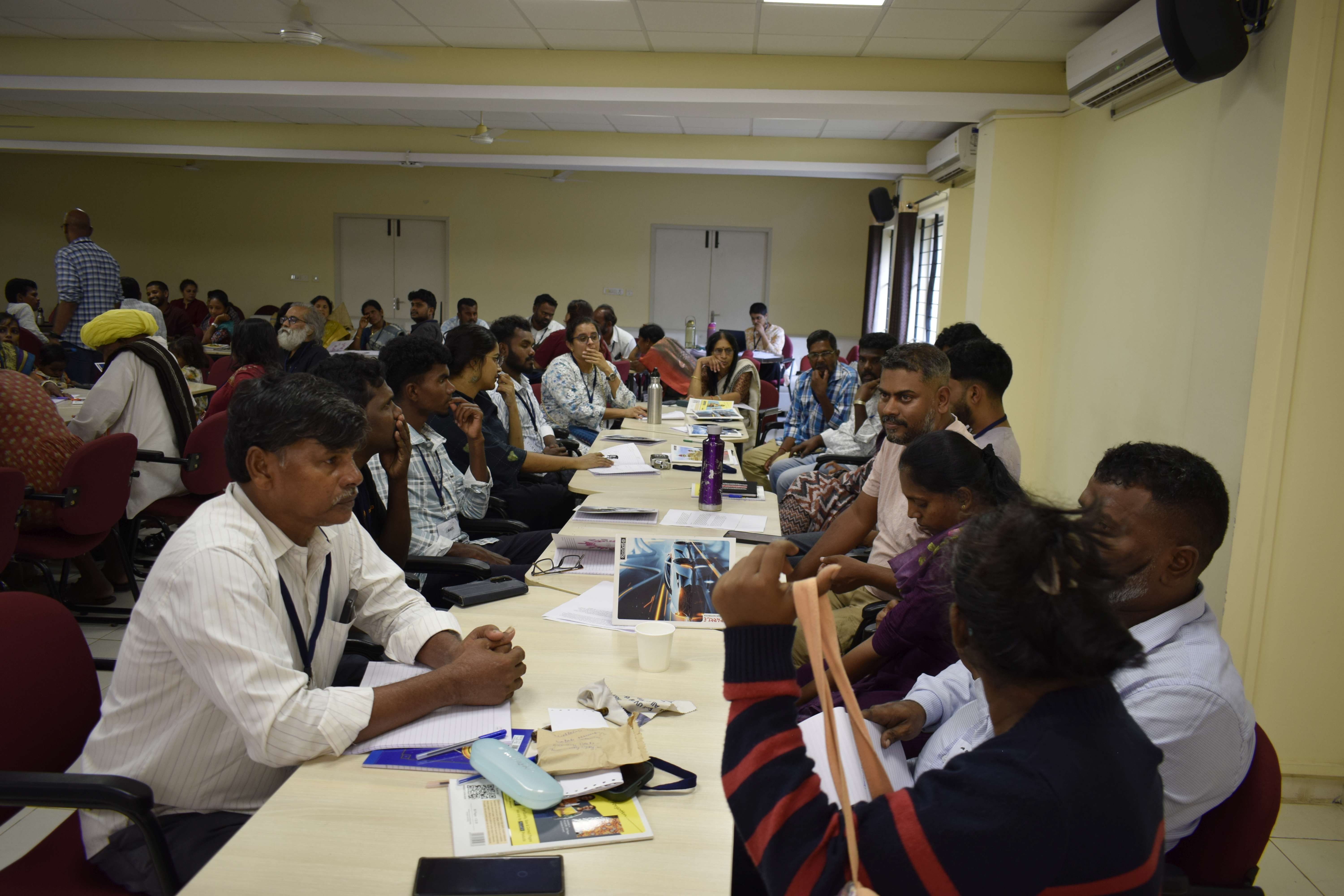
Tamil language group in a discussion
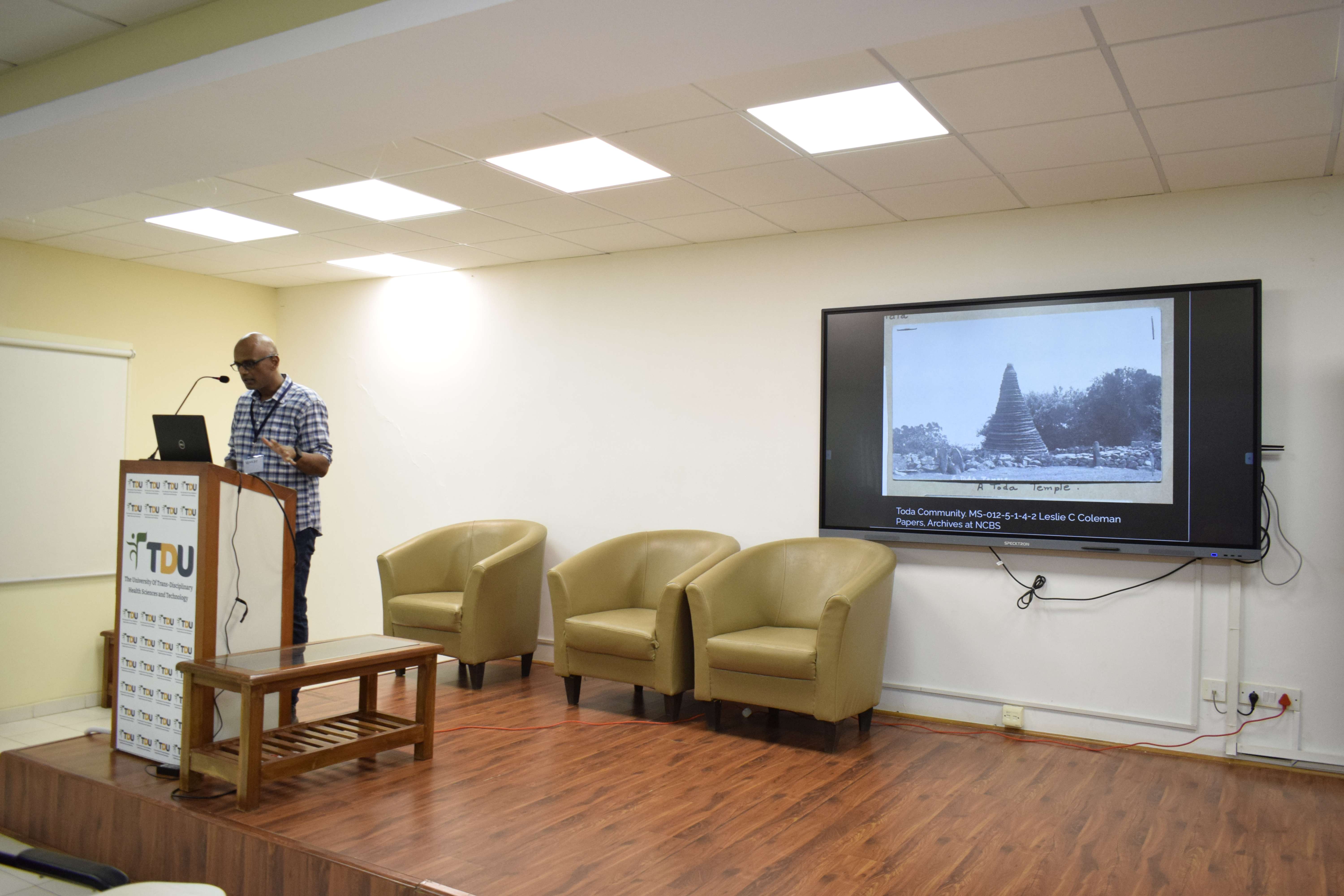
Venkat from Milli Archives Foundation sharing his presentation on Intellectual Property
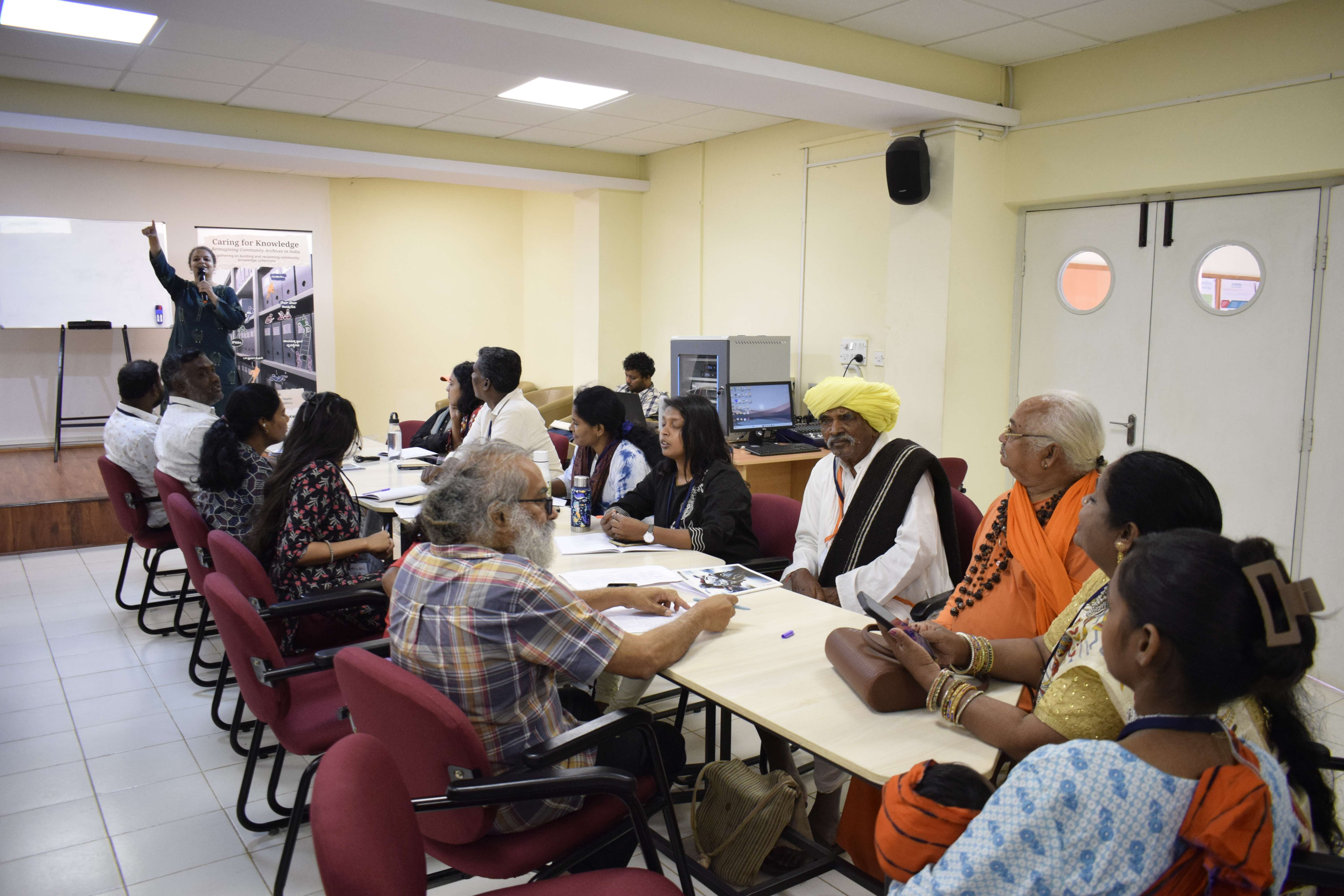
Kannada language group during a conversation on Reimagining Archives for and with IPLCs facilitated by Samira from The University of Trans-Disciplinary Health Sciences and Technology (TDU) facilitating
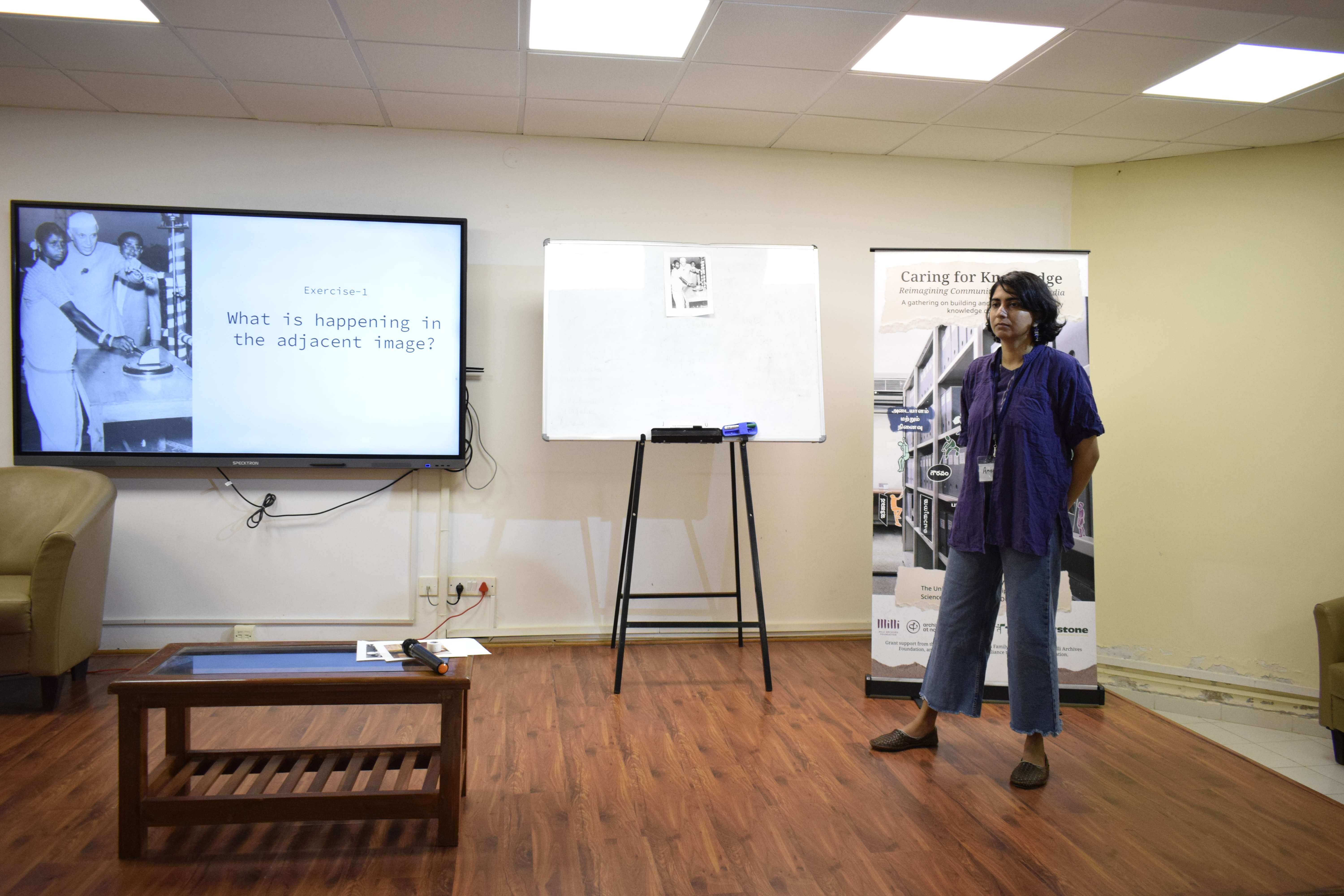
Anjali from Archives at NCBS co- facilitating a session with Vinay on An Introduction to FAIR AND CARE principles
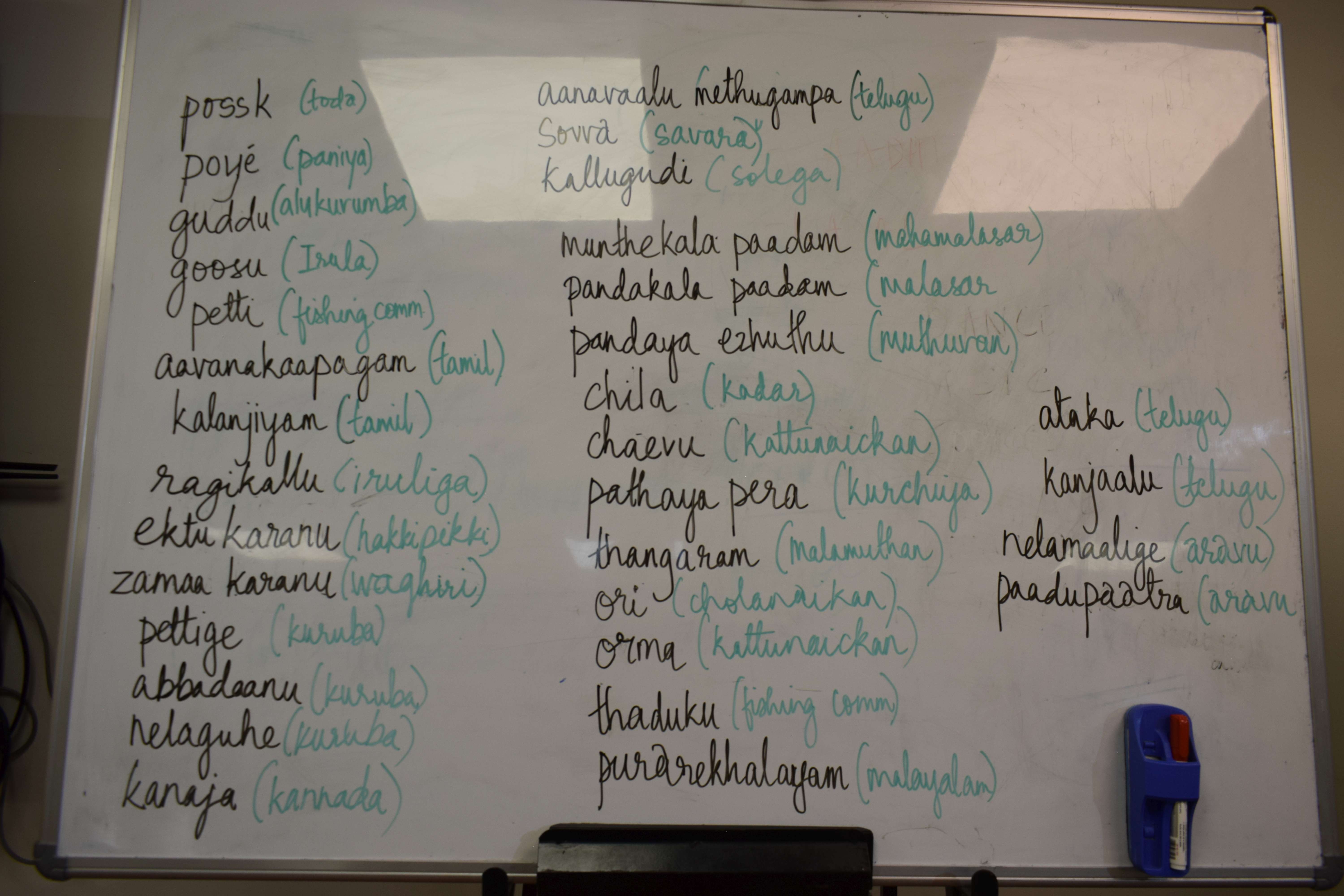
IPLCs terminology for memory keeping
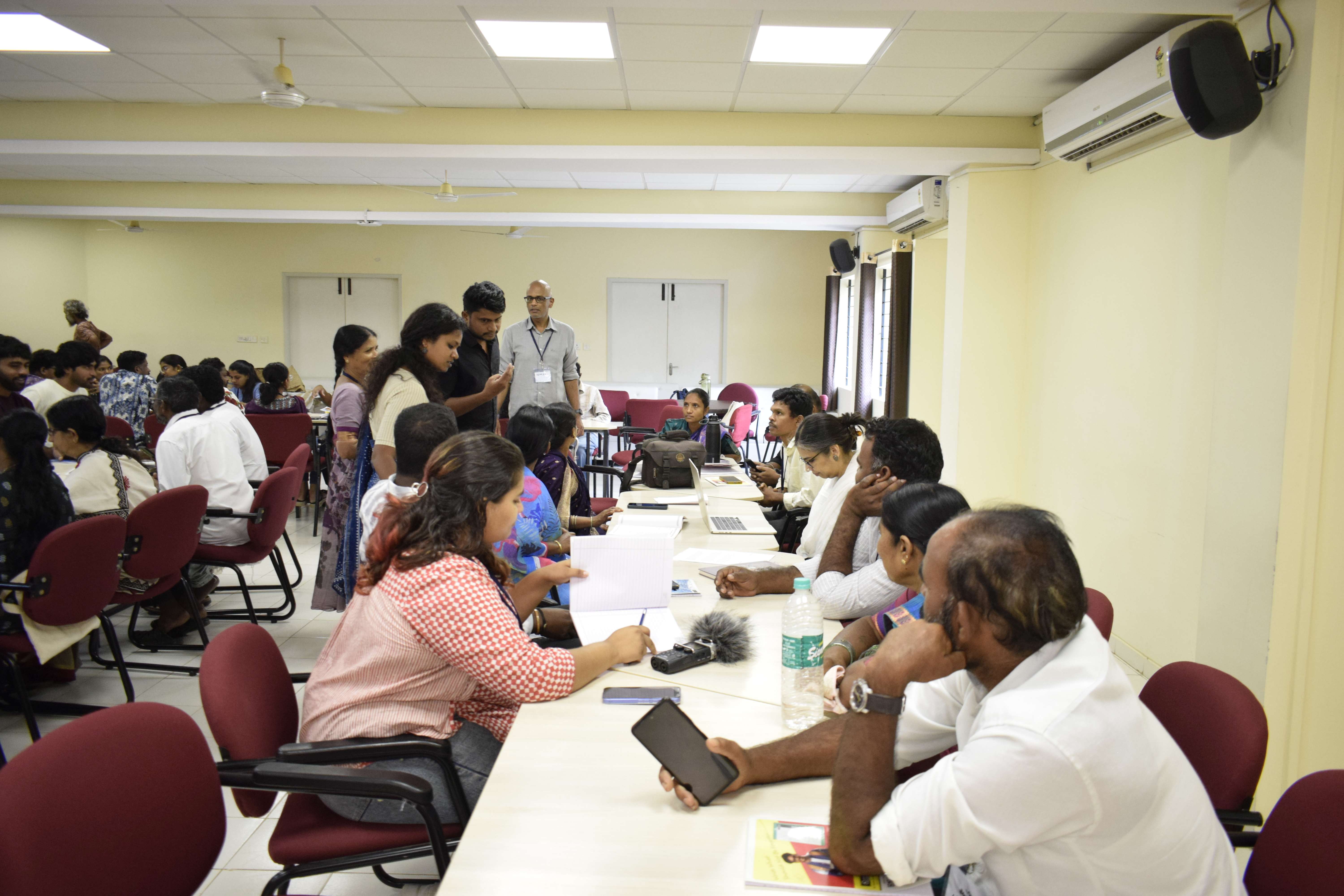
Dhanya audio recording a session in Telugu language group
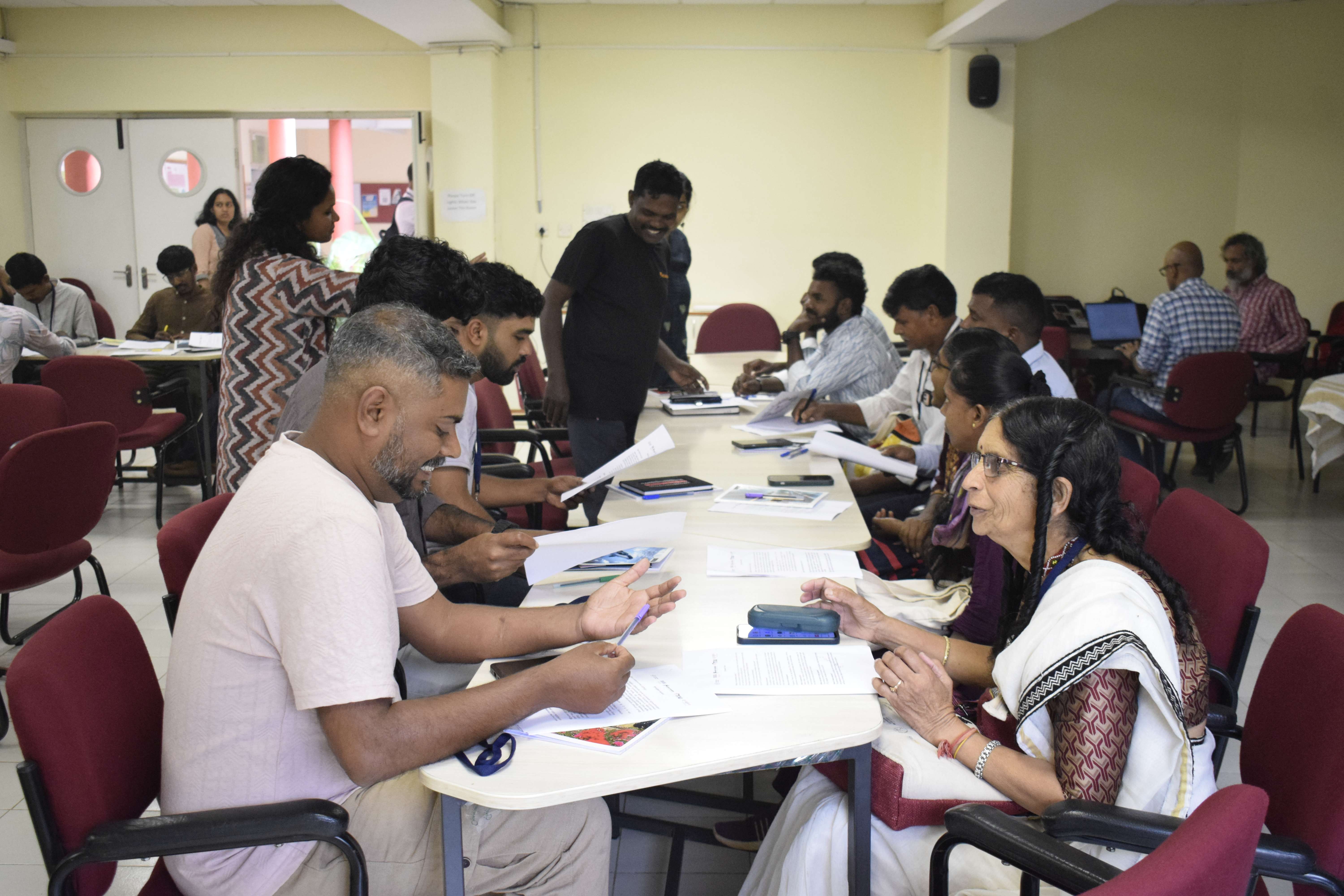
Tamil Language group in a discussion
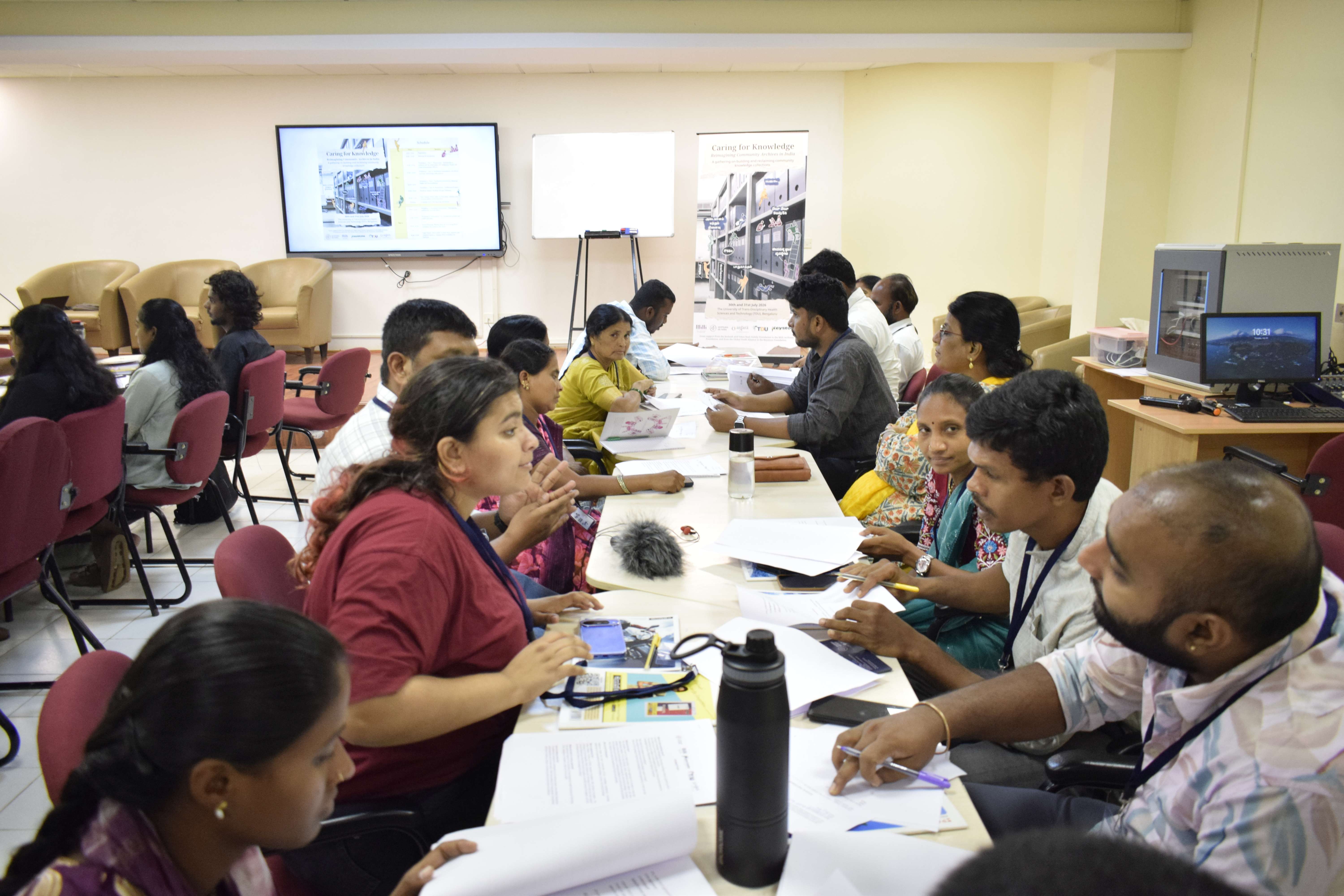
Dhanya translating in a Telugu language group
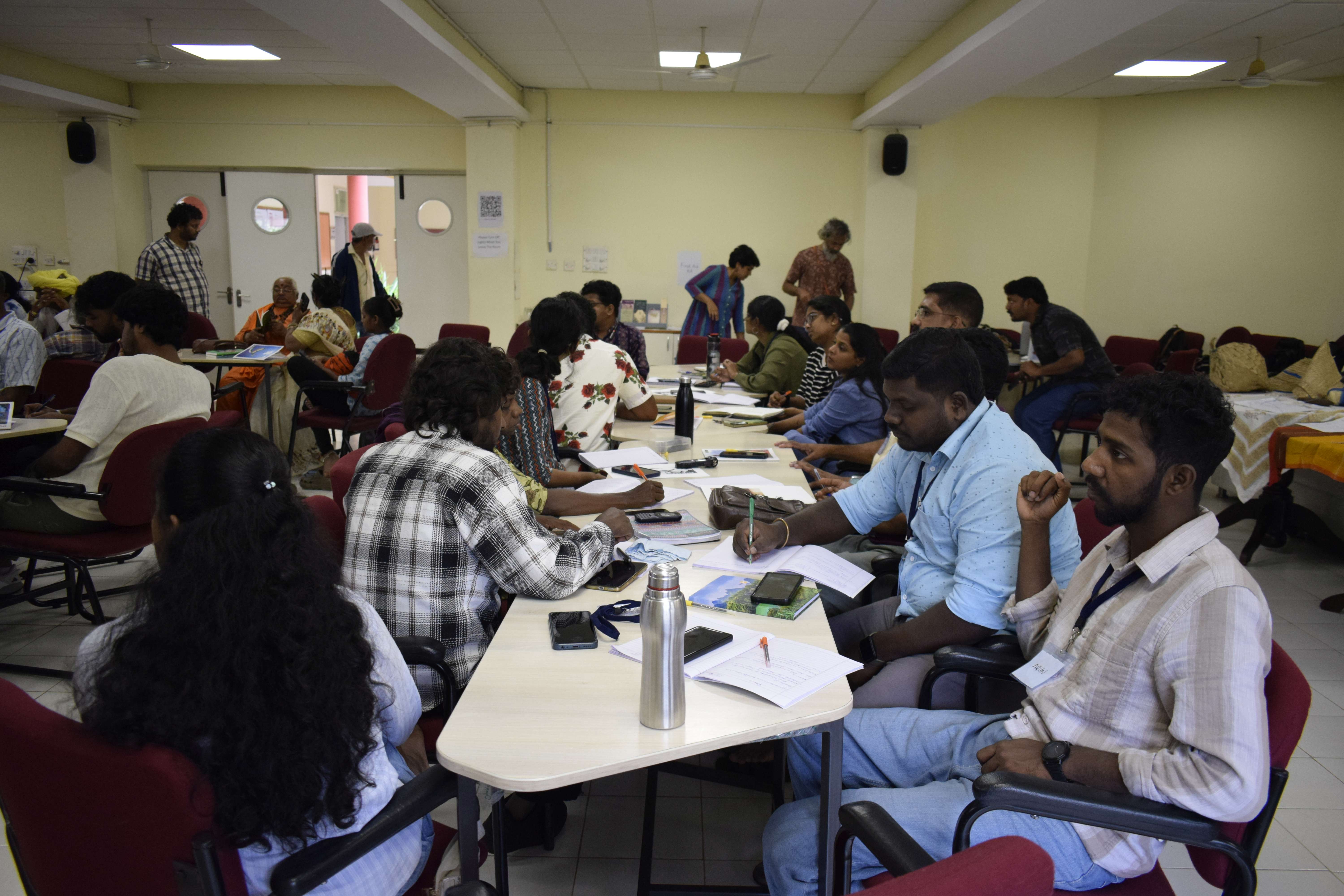
Malayalam language group in a session
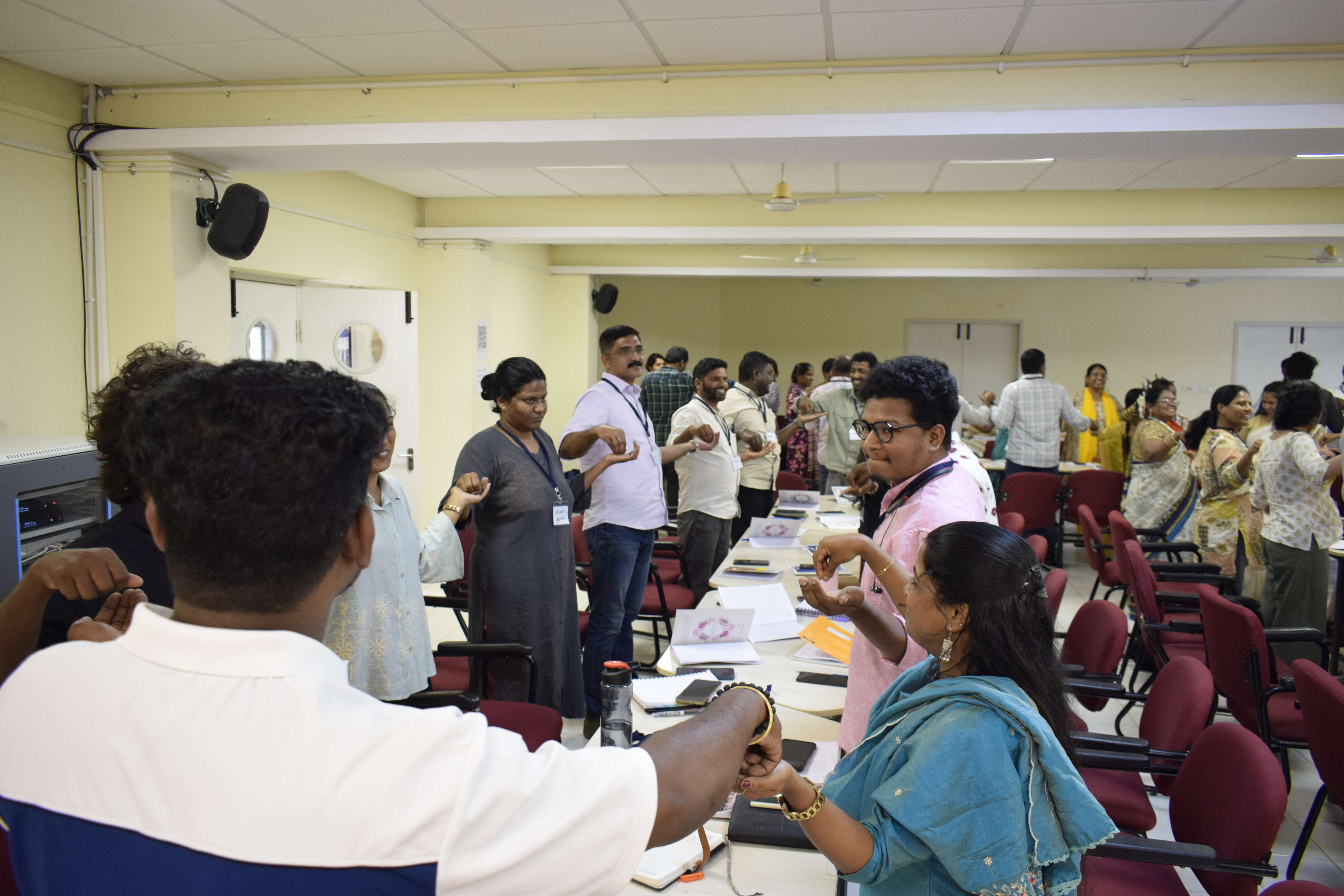
A fun post lunch activity led by Samira to shake off the afternoon drowsiness
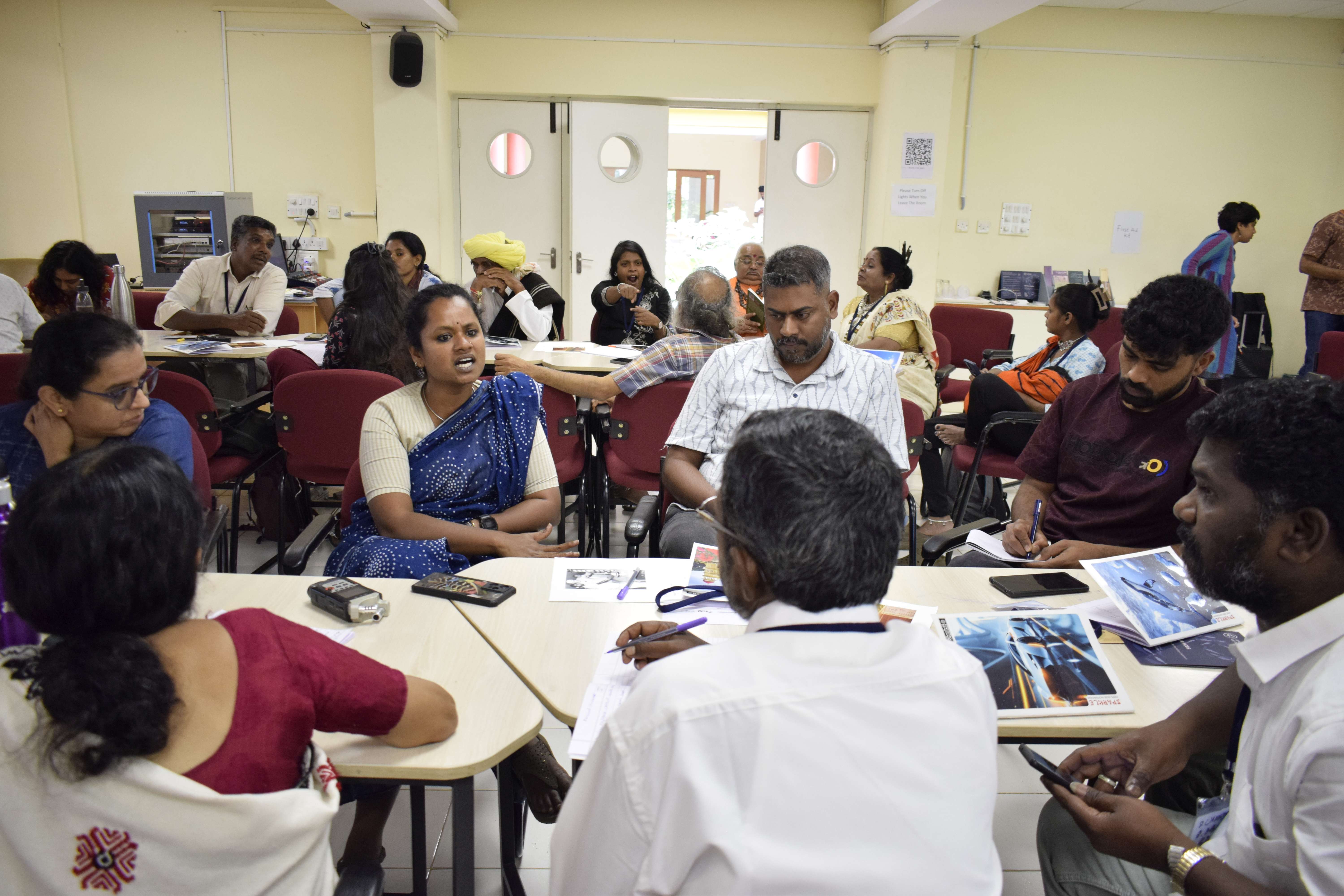
Ranjani from Keystone Foundation translating in a Tamil language group
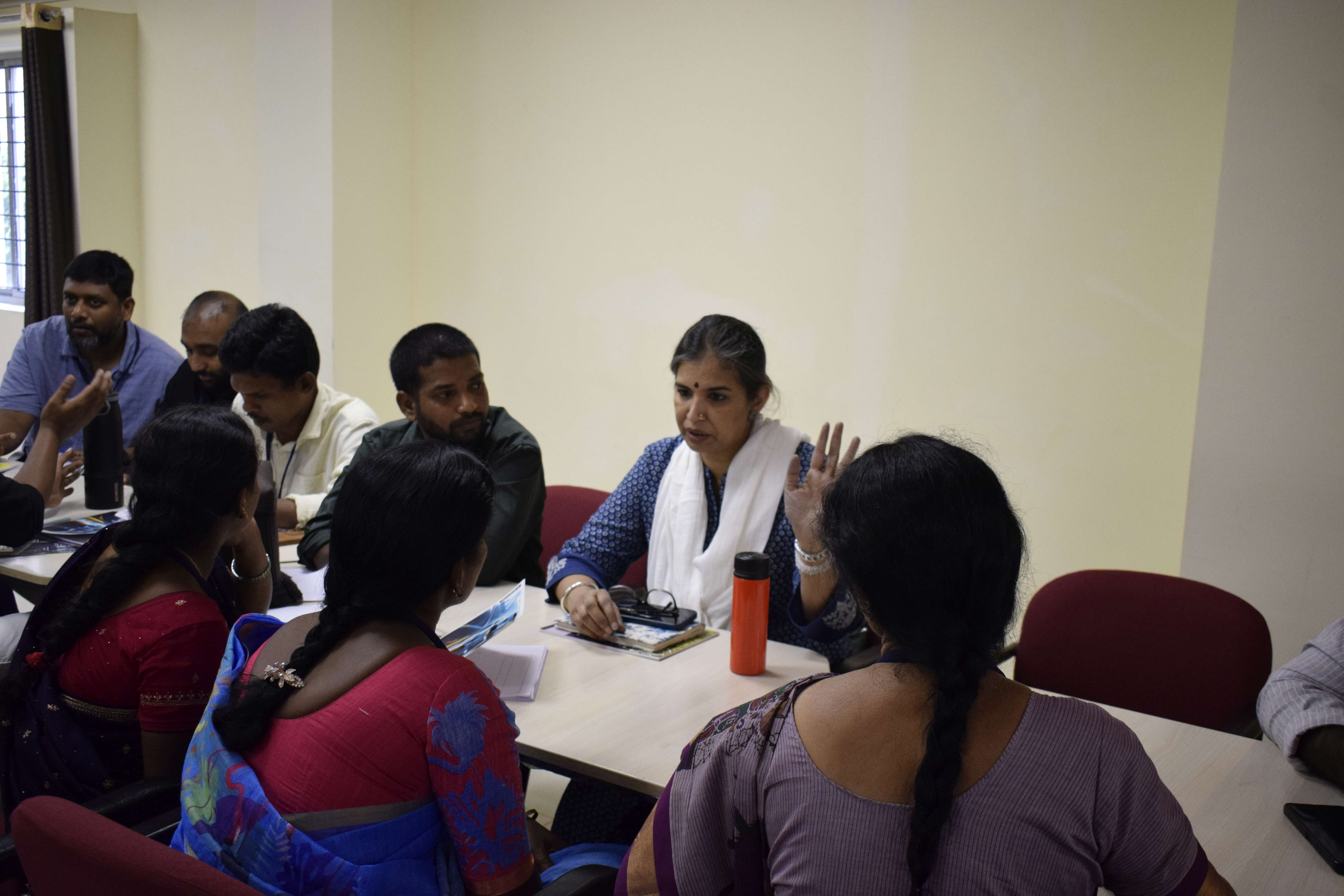
Aparna from Antara Advisory translating in a Telugu language group